Solana Launches Firedancer Client After Three Years of Development
Table of Contents
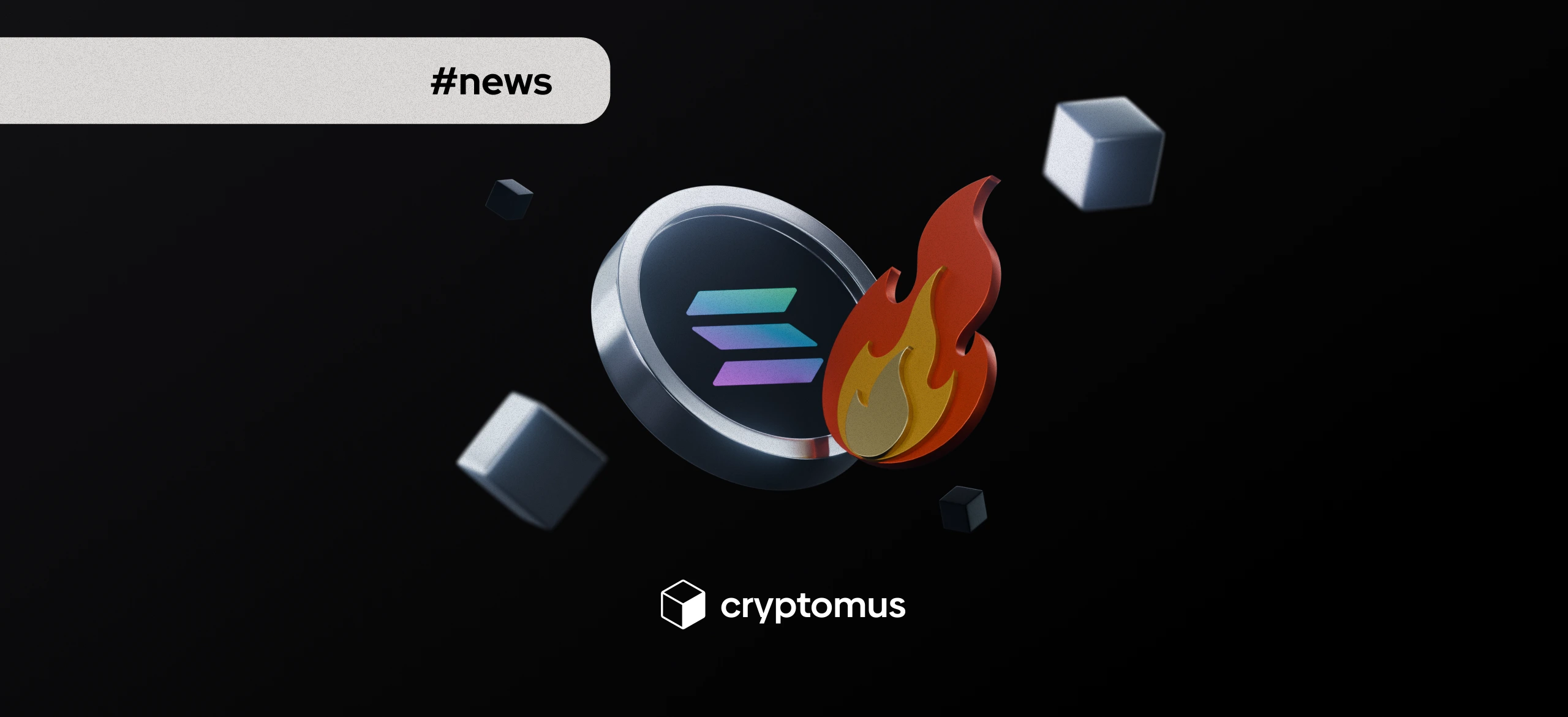
Solana has officially launched Firedancer, a new validator client developed over nearly three years. The release is an important step for the network, aiming to improve performance and reliability. During testing, Firedancer ran on a small group of validators for 100 days and produced over 50,000 blocks.
A New Chapter for Solana Validators
Solana announced Firedancer on its X account, presenting it as an independent alternative to the current validator client.
BREAKING: After 3 years of development, Firedancer is now live on Solana Mainnet, and has been running on a handful of validators for 100 days, successfully producing 50,000 blocks 🔥💃 pic.twitter.com/Y0WxxEj2WL
— Solana (@solana) December 12, 2025
Firedancer was developed by Jump Trading’s crypto division, Jump Crypto. Built in C and C++, it differs from Solana’s original validator software, which has traditionally handled most block production.
Prior to the public release, Firedancer had quietly run on a small set of validators for about 100 days. During that time, it produced more than 50,000 blocks, showing it can perform well under real network conditions.
The careful and gradual rollout helps explain why the launch seems understated. Firedancer did not appear suddenly. It moved from internal testing to a hybrid setup called Frankendancer, combining parts of Firedancer with the existing client. Only after months of observation did the team release it fully on the mainnet.
Why Solana Needed Another Client?
For years, Solana depended almost entirely on a single validator codebase. This approach offered speed but came with significant risk. When bugs appeared, they often affected the whole network, causing outages that were widely discussed online.
Jump Crypto started building Firedancer in 2022 to fix this problem. Multiple clients mean the same rules are handled in different ways. If one fails, others can keep producing blocks. Ethereum and other large proof-of-stake networks already work like this, making Solana’s lack of client diversity more noticeable.
Redundancy might seem dull, but it is crucial. Firedancer does not replace Solana’s existing client. Instead, it runs alongside it, reducing the chance that a single bug could stop the network again.
Performance Goals and Early Adoption
Firedancer has attracted attention for its performance. Tests show it can handle very high transaction volumes, with long-term goals beyond what the network currently uses. Supporters say this extra capacity will matter as decentralized apps grow and need more data.
So far, adoption is low. Firedancer validators handle under 1% of staked SOL. This is normal at this stage because operators move carefully, since uptime affects earnings. Still, activity is growing. Reports after the December rollout showed more than 20% of validators experimenting with alternative or hybrid clients. Firedancer makes this testing more practical.
For validators, the ability to run multiple clients provides an added layer of security. While they usually rely on a primary client, a backup client helps maintain uptime if issues occur.
What Does This Mean for Solana?
Firedancer’s launch marks a change in Solana’s approach to growth. While speed remains a priority, stability is now part of the same discussion. This matters as institutions pay more attention to network quality, not just transaction numbers.
For developers, a stronger validator layer allows more complex apps, especially those sensitive to downtime. For users, the effects appear indirectly through smoother activity and fewer interruptions. Of course, Firedancer won’t fix every problem immediately, but it shows Solana is tackling past issues with real code improvements.

Simplify Your Crypto Journey
Want to store, send, accept, stake, or trade cryptocurrencies? With Cryptomus it's all possible — sign up and manage your cryptocurrency funds with our handy tools.
Get Started