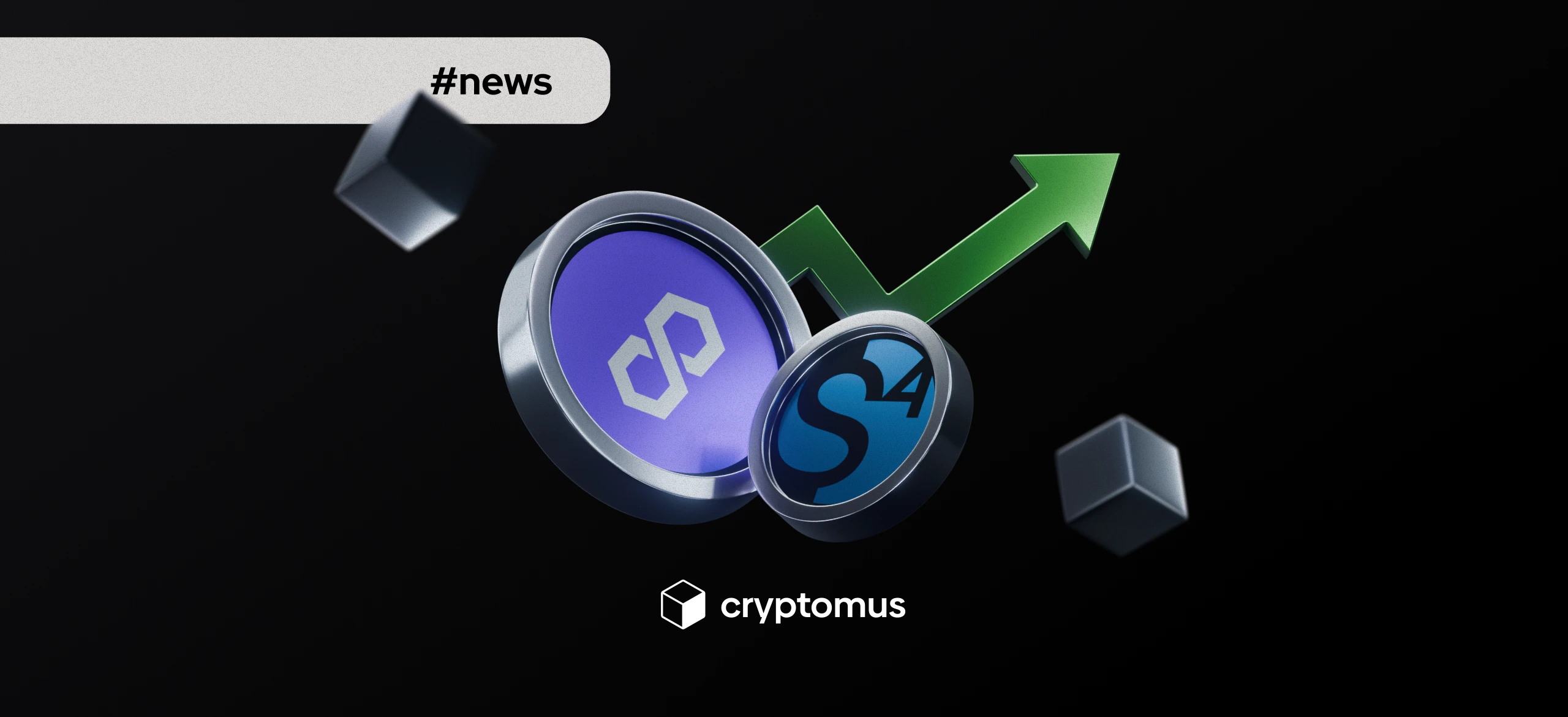
Polygon May See a Boost With Shift4 Stablecoin Payment Integration
Table of Contents
Polygon’s blockchain could get a boost as Shift4, a big payment processor, adds stablecoin payment options for merchants. Businesses can now get paid in digital currencies linked to major fiat currencies, which speeds up access to money and reduces reliance on banks. It’s too early to say how this will affect prices, but it shows more businesses are using blockchain.
What Shift4 Brings to Polygon Payments?
Shift4 enabling stablecoin payouts on Polygon’s network marks a clear step toward wider adoption of digital currencies. Merchants can now choose Polygon for settlements, accessing their funds 24/7. This eliminates delays that usually occur during weekends or bank holidays.
Polygon is building the rails for global payments.
— Polygon | POL (@0xPolygon) December 22, 2025
One of the world’s largest independent payment processors, Shift4, has launched stablecoin settlement on Polygon.
Hundreds of thousands of merchants worldwide can now get paid faster and move funds 24/7 on rails built for… pic.twitter.com/8x4aXYpR6J
Stablecoins serve as a bridge between traditional currencies and blockchain. They let merchants transact using familiar values like USD or EUR while taking advantage of the speed and convenience of crypto networks. For companies working across countries, cash flow becomes more predictable.
The integration also removes technical barriers. Merchants do not need deep blockchain knowledge, as Shift4 manages the technical aspects and provides a smooth interface for payouts. This practical setup is a contrast to the early days of crypto payments, which often required significant technical learning.
Implications for Polygon and POL
Polygon’s network can handle a large number of transactions efficiently, making it useful for commercial operations like stablecoin settlements. Compared with Ethereum, it offers lower fees and faster processing, which could attract more merchants.
This development also raises questions about POL, Polygon’s native token. POL currently trades between $0.105 and $0.12 and has seen little growth in 2025. While the market may stay flat, real-world use and partnerships could bring some upside. If Polygon gains traction in merchant payments, DeFi, or tokenized assets, POL could gradually increase in value over the next 12 to 24 months.
Most of the MATIC to POL transition is complete, so the upgrade story is already reflected in prices. Future price movement will likely depend more on adoption and the network’s ability to support large-scale operations than on hype.
Broader Trends in Digital Payments
Shift4’s use of stablecoins reflects a wider trend in payments moving toward blockchain systems that avoid traditional banking limits. Companies worldwide are looking for easier ways to manage liquidity, and blockchain allows operations 24/7. Stablecoins already handle trillions of dollars in transactions each year and are being adopted more by fintech firms and institutions for treasury and settlement.
Partnering with Shift4 gives Polygon a role connecting traditional commerce with blockchain finance. Enterprise interest is rising in payments, asset tokenization, and decentralized finance.
In addition to my report on Polygon payments, I would like to note the growth in payment transactions.
— Alex (@obchakevich_) December 22, 2025
Specifically, in December, there was a new ATH for microtransactions, and the number of payment transactions has not fallen below 1M per month for 3 months. https://t.co/hbXOgOqtZn pic.twitter.com/kaPx3P1CRm
With more partnerships, the network could become an important link between Web2 and Web3 and help drive real-world digital currency use.
What to Expect from POL?
The Shift4 integration represents a modest yet significant milestone for Polygon. Merchants get faster, easier payments and rely less on banks. For the network, it reinforces Polygon’s potential as a practical blockchain able to handle real-world payments.
Although POL’s price might not spike immediately, the partnership signals increasing trust in blockchain-based financial systems.



Simplify Your Crypto Journey
Want to store, send, accept, stake, or trade cryptocurrencies? With Cryptomus it's all possible — sign up and manage your cryptocurrency funds with our handy tools.
Get Started