David McMillan
Crypto-enthusiast who explores all the possibilities the blockchain technology suggests
ETH Payment Method: How To Pay With Ethereum
Table of Contents
With the growing popularity of cryptocurrencies, Ethereum (ETH) has emerged as one of the most widely accepted digital currencies for payments. Businesses across the globe are beginning to embrace ETH as a payment method, thanks to its speed, security, and global accessibility.
For individuals looking to use their cryptocurrency holdings to purchase goods and services, understanding how to pay with Ethereum is crucial. In this guide, we’ll explore the basics of Ethereum, its advantages as a payment method for both businesses and customers, how to make payments using ETH, and how to set up your wallet for receiving payments using Cryptomus, the easiest-to-use crypto service on the market.
What Is Ethereum?
Ethereum is a decentralized, open-source blockchain that enables developers to build and deploy decentralized applications (dApps) and smart contracts. Launched in 2015 by Vitalik Buterin and a group of co-founders, Ethereum goes beyond being just a cryptocurrency platform. It offers a programmable blockchain, allowing developers to create apps that operate autonomously without the need for a central authority.
Ether (ETH), its native token, is used to pay for transaction fees and computational services on the network, making it the "fuel" for Ethereum’s ecosystem. However, its use has grown way beyond its initial purpose: ETH is also used for staking, which helps maintain network security and allows users to receive rewards. In addition, it’s widely used in DeFi, NFT, and dApps—as a means of settlement, a collateral asset, and a base currency for interacting with services within the Ethereum ecosystem. And, apparently, it’s widely used as a payment method for goods and services outside the network too. The ETH payment method involves transferring Ethereum from one person’s wallet to another using a blockchain-based payment system, ensuring secure and transparent transactions.
Unlike Bitcoin, which was primarily designed as a digital currency, Ethereum’s purpose extends to providing a platform for decentralized finance (DeFi), non-fungible tokens (NFTs), and other blockchain-based applications. This versatility has made Ethereum the second-largest cryptocurrency by market capitalization, driving innovation across numerous industries.
Benefits of ETH as a Payment Method
As cryptocurrencies continue to gain popularity, Ethereum (ETH) stands out not only as a digital asset but also as one of the best crypto for payments. Let's explore the benefits of using Ethereum as a payment method!
-
Global transactions: Ethereum allows payments across borders without relying on traditional banking systems, making it easier to reach customers worldwide.
-
Lower fees: compared to payment methods like credit cards or PayPal, Ethereum can help reduce transaction and operational costs.
-
Strong security: Ethereum’s blockchain makes transactions transparent, immutable, and more resistant to fraud or chargebacks.
-
Full control over funds: Ethereum lets users manage their own money without depending on banks or other intermediaries. Moreover, users can pay without sharing sensitive banking details, which adds an extra layer of security for online purchases.
How to Make Payments with Ethereum?
Making a payment with Ethereum is quite simple, especially if you already understand the basics of crypto transactions. The two most practical ways to do this are by using a crypto card or a crypto wallet. Let’s take a closer look at how each method works.
How to Make Ethereum Payments with a Crypto Card
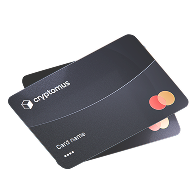
Using a crypto card is one of the most convenient ways to spend Ethereum. It works particularly well for everyday purchases, since you can use it both online and offline anywhere Visa or MasterCard payments are supported.
Before that, you need to exchange your ETH for stablecoins, because most crypto cards can only be topped up with USDT or USDC. On Cryptomus, you can easily convert ETH to USDT and then use those funds to top up your card balance.
After the card has been topped up, it can be used in the same way as a regular bank card — for in-store purchases, online payments, subscriptions, and other routine spending.
How to Make Ethereum Payments with a Crypto Wallet
You can also pay with Ethereum by transferring ETH directly from your crypto wallet to the merchant’s wallet. This method is available only when the store, platform, or service accepts direct crypto payments.
To get started, you need to create an Ethereum wallet and add ETH to it. If you use Cryptomus Wallet, all you need to do is register with your email address or phone number, sign in to your account, activate 2FA, and pass KYC verification.
When you’re ready to pay, the merchant will typically provide an Ethereum wallet address or a QR code. Open your wallet, select the send function, type in the recipient’s address and the amount of ETH, then double-check the information and confirm the transfer. Once submitted, the payment will be processed on the blockchain, and you’ll be able to follow its status through the transaction hash.
Stores that Accept ETH
As more businesses adopt cryptocurrency, ETH is being accepted across a wide range of industries. Below are some of the most popular stores, platforms, and services that accept Ethereum:
-
Overstock: a large online retailer where you can buy furniture, electronics, and more using Ethereum.
-
Newegg: known for its electronics and gadgets, Newegg accepts ETH for a wide range of tech products.
-
Shopify: some merchants on this global platform accept Ethereum, offering diverse goods such as fashion, accessories, and home décor.
-
Travala: a crypto-friendly travel booking site where users can pay with ETH for hotels, flights, and vacation rentals.
-
CheapAir: a platform that lets you book flights and hotels using Ethereum, providing travelers with payment flexibility.
-
NordVPN: one of the leading VPN providers that accepts Ethereum, offering secure, private internet browsing for users.
-
Propy: a real estate platform where you can buy or sell properties using ETH, streamlining transactions with blockchain technology.
-
ProxySeller: a proxy service that accepts ETH for high-quality, secure proxies, providing users with anonymity and access to restricted content online.
Although the number of businesses that accept Ethereum is constantly rising, direct ETH payments are not yet universal. If the online service or physical store you want to use doesn’t accept Ethereum directly, you can always pay for your purchases with a Cryptomus crypto card.
In conclusion, paying with Ethereum offers numerous advantages, including increased privacy, enhanced security, and relatively faster processing times. As more businesses and services begin to accept ETH, the convenience and accessibility of using cryptocurrency for everyday purchases will continue to grow.
Whether you’re making online purchases, booking travel, or paying for services, Ethereum payments provide a modern and efficient alternative to traditional methods by debit and credit cards. Thank you for reading!


Simplify Your Crypto Journey
Want to store, send, accept, stake, or trade cryptocurrencies? With Cryptomus it's all possible — sign up and manage your cryptocurrency funds with our handy tools.
Get Started